

In This Article
- 1 Understanding Your Credit Report
- 2 Disputing Errors in the Credit Report
- 3 Paying Bills on Time
- 4 Reducing Debt Balances
- 5 Negotiating with Creditors
- 6 Limiting New Credit Applications
- 7 Using Credit Responsibly
- 8 Patience and Consistency
- 9 Debt Consolidation Loans
- 10 Conclusion
- 11 FAQs
- 11.1 What does being blacklisted mean when it comes to credit and loans?
- 11.2 Can blacklisted individuals still apply for loans?
- 11.3 How can I improve my credit score if I’m blacklisted?
- 11.4 Are there risks in taking out loans for people with bad credit?
- 11.5 What documents do I need when applying for a loan while blacklisted?
- 11.6 How do collaborative partnerships help in financial empowerment for blacklisted individuals?
Being blacklisted can feel like hitting a financial dead end. Your credit score may have taken a hard knock, making loans for blacklisted individuals seem out of reach. But improving your credit and finding better loan options is possible with the right steps.
Stick around—you’ve got this!
Key Takeaways
- Regularly check your credit report for errors and inaccuracies. Contact major bureaus like TransUnion, Experian South Africa, or XDS to fix mistakes that harm your score.
- Pay bills on time using automatic payments or reminders. Payment history makes up 35% of your credit score and helps rebuild trust with lenders.
- Keep credit card balances below 30% of the limit to improve the credit utilisation ratio. For example, spend no more than R3,000 if the limit is R10,000.
- Communicate with creditors to negotiate better interest rates or repayment terms. This can make managing debts easier for blacklisted individuals.
- Consider a debt consolidation loan to combine multiple payments into one manageable amount. Ensure affordability checks are met before applying.
Understanding Your Credit Report

Your credit report is like a scorecard of your borrowing history. Learn what’s in it, spot issues, and start fixing them.
Request a copy of the credit report
It’s important to know where you stand financially. Checking your credit report is the first step to improving bad credit or blacklisted status.
- Contact registered credit bureaus like TransUnion, Experian South Africa, or XDS for a copy of your report. South Africans can usually get one free copy each year from these bureaus.
- Provide identification, such as your national ID card or driver’s licence, to verify your identity during the request.
- Review your credit record carefully, looking for late payments, unpaid loans, or errors that could lower your score.
- Spot inaccuracies like debts you’ve already paid or accounts that don’t belong to you and note them for later disputes.
- Track updates by requesting reports regularly to monitor any changes in loan balances or payment history.
Identify negative items contributing to the blacklisting

Check your credit report for unpaid debts, defaults, or judgements marked against you. Missed payments, overdue credit card balances, and loan accounts in arrears often play a huge role in blacklisting.
Accounts flagged under a debt review or handed over to collections can also damage your standing.
Errors like incorrect amounts or false defaults might appear on reports from TransUnion or Experian South Africa. These mistakes impact credit scores and worsen financial struggles.
Identifying these issues early helps avoid future problems with loans for blacklisted individuals.
Regularly check credit reports and scores
A detailed review of your credit report helps spot errors harming your credit score. Incorrect entries, like unpaid debts or late payments, can cause blacklisting unfairly. Regular monitoring ensures you catch these mistakes early and track improvements over time.
Think of it as keeping an eye on your financial health. Free annual reports are available from major South African bureaus such as TransUnion or Experian South Africa. Use this to assess changes in scores and identify areas needing work.
Disputing Errors in the Credit Report

Errors on a credit report can be like potholes—they damage the road to better credit. Spotting and fixing them is crucial to improving your score.
Mistakes on the report can damage credit scores
Mistakes on a credit report can hurt your financial future. Even small errors, like incorrect amounts or missed payments, lower credit scores fast. Blacklisted individuals face bigger struggles due to these inaccuracies.
Common issues include outdated information or accounts that don’t belong to you.
Fixing these wrongs is crucial for improving poor credit scores. Contact major bureaus like TransUnion, Experian South Africa, and XDS immediately. Always keep proof, such as letters or emails exchanged with them.
Logging every step helps if there’s pushback later!
Major credit bureaus in South Africa include TransUnion, Experian South Africa, and XDS
TransUnion, Experian South Africa, and XDS are the big three credit bureaus in South Africa. They gather your financial data and create your credit report. This report shows your payment history, loans taken, missed payments, or defaults that may affect your score.
Errors on these reports can lower a poor credit score further. Contacting these agencies to fix mistakes is key. Always document phone calls and emails with them for proof. Tracking changes after disputes helps you monitor progress over time.
A clean credit report opens doors to better loan terms.
Contact these bureaus to rectify any errors and document all correspondence
Errors in your credit report can hurt your credit score. Fixing them is key to improving it.
- Get a copy of your credit report from TransUnion, Experian South Africa, or XDS. These are the main credit bureaus in South Africa.
- Check the report for any mistakes, like incorrect accounts or payments marked late.
- Write to the bureau if you find an error. Be clear about what’s wrong and include proof such as bank statements or receipts.
- Keep copies of all letters and emails you send. This will help if issues come up later.
- Follow up after a few weeks if they don’t reply quickly.
- Look out for updates on your corrected report once it’s fixed.
Fixing mistakes is an important step before learning how timely bill payments improve scores!
Paying Bills on Time

Paying bills on time shows lenders you mean business, boosts your credit score, and saves money by avoiding late fees—stay tuned for helpful tips!
Timely bill payments demonstrate financial responsibility
Paying bills on time shows that you can handle money well. Payment history makes up 35% of your credit score, making it the largest factor. Missed or late payments can lower scores and raise interest rates on loans for blacklisted individuals.
Set up automatic payments through debit orders to avoid missed dates. Many apps also send payment reminders straight to your phone. Keeping this habit builds trust with lenders and helps rebuild credit histories faster.
Payment history is a significant factor affecting credit scores
Missed bill payments hurt credit scores. Lenders check your payment history to judge if you’re trustworthy. Late or skipped payments stay on your credit report for up to seven years.
This makes it harder to qualify for personal loans, home loans, or even unsecured loans.
Set automatic debit orders or calendar alerts as reminders. Regular monthly repayments show financial responsibility and boost creditworthiness over time. As the basics get stronger, start focusing more on reducing debt balances quickly!
Tips for setting up payment reminders or automatic payments
Keeping up with payments is key to improving your credit score. Small steps, like reminders or automation, can save you from missed payments.
- Use calendar apps on your phone to mark due dates. Set alerts a few days before the actual date for extra cushion time.
- Link your debit order to your bank account for recurring bills. This ensures timely payments without manual intervention.
- Create a physical whiteboard or chart at home as a visual tracker of monthly repayment deadlines.
- Sign up for SMS or email alerts from lenders offering payday loans, funeral insurance, or other financial aid.
- Try mobile banking apps that track loan repayment amounts and offer notification features.
- Request autopay services from creditors managing unsecured loans or bad credit loan accounts.
- Dedicate one account solely for bill payments to avoid confusion and overdrafts when debit orders are processed.
- If you prefer cash-based methods, set aside funds weekly in an envelope labelled with specific payment goals, creating discipline with spending habits.
- Make use of budgeting tools like spreadsheets to calculate how much goes into paying off loans for blacklisted individuals versus other expenses monthly.
- Regularly update all information related to national credit regulator records so reminders actually reach the right address or contact number linked on file.
Next: Learn how timely bill payments reflect positively in your overall payment history and boost financial empowerment!
Reducing Debt Balances

Paying down debt can feel like climbing a mountain, but each small step counts. Lower balances mean less stress and better chances for improving your credit score.
High credit card balances negatively affect the credit utilization ratio
High credit card balances make up a big chunk of your credit limit, which lowers the credit utilisation ratio. This ratio measures how much credit you’re using compared to what’s available.
For example, if your limit is R10,000 and you owe R5,000, your usage rate is 50%. That signals risk to lenders.
Aim to keep balances below 30% of the limit. If your card allows borrowing up to R3,000, spend no more than R900 at any time. Paying off outstanding debts regularly helps lower this percentage.
It also improves trust with banks during loan applications or financial checks.
Focus on paying down outstanding debts, particularly revolving credit accounts
Clearing outstanding debts is crucial for improving a poor credit score. Revolving credit accounts, like credit cards, should be prioritised to reduce financial stress.
- Pay off debt on accounts with the highest interest rates first. This lowers the overall cost of repayment.
- Cut down unnecessary spending to free up cash for repayments. Focus on needs rather than wants.
- Keep revolving credit balances below 30% of the credit limit at all times. This helps boost your credit score over time.
- Consider setting up a debit order for monthly repayment amounts to stay consistent and avoid missing deadlines.
- Speak to your creditors about payment arrangements if you’re struggling with high balances or interest rates.
- Consolidate debts into one payment by exploring options like debt consolidation loans through banks or payday lenders, provided you meet affordability requirements.
- Avoid adding new loans while working on existing debts to prevent further strain on your finances.
- Use any additional income, such as tax returns or bonuses, to chip away at outstanding balances faster without increasing loaned amounts.
Maintain credit card balances below 30% of the credit limit
Keeping your credit card balances below 30% of the limit boosts your credit score. For example, if your card has a R10,000 limit, don’t let the balance go over R3,000. Lower utilisation shows creditors you manage money wisely.
High balances hurt the credit utilisation ratio. This makes lenders see blacklisted individuals as risky borrowers.
Pay off small amounts regularly to stay under this mark. Even an extra payment per month can make a big difference in improving bad credit scores and securing better loan terms later on!
Negotiating with Creditors

Speaking with creditors can feel like walking a tightrope, but it often leads to smoother solutions. A calm and honest chat might open doors for better payment terms or lower rates.
Open communication can lead to manageable payment plans
Talk to your creditors about payment options. Many creditors might lower interest rates or extend loan repayment terms. This can make monthly repayments easier for blacklisted individuals.
Explain your financial position clearly. For example, if struggling with a bad credit score, request a revised loan amount or reduced penalties. Open communication often shows responsibility, which creditors appreciate.
Creditors may agree to reduce interest rates or extend payment terms
Creditors often work with blacklisted individuals to create flexible loan terms. They may reduce interest rates, making monthly repayment easier on the pocket. For example, lowering a 20% annual rate to 15% could save thousands over time.
Such adjustments offer breathing space for those struggling with bad credit or high debt.
Extending payment terms spreads repayments across more months. A three-year term might become five years, reducing each instalment’s size. This approach helps avoid default and rebuild trust between borrowers and creditors over time.
Open communication is vital—discuss options early before debts spiral out of control!
Limiting New Credit Applications
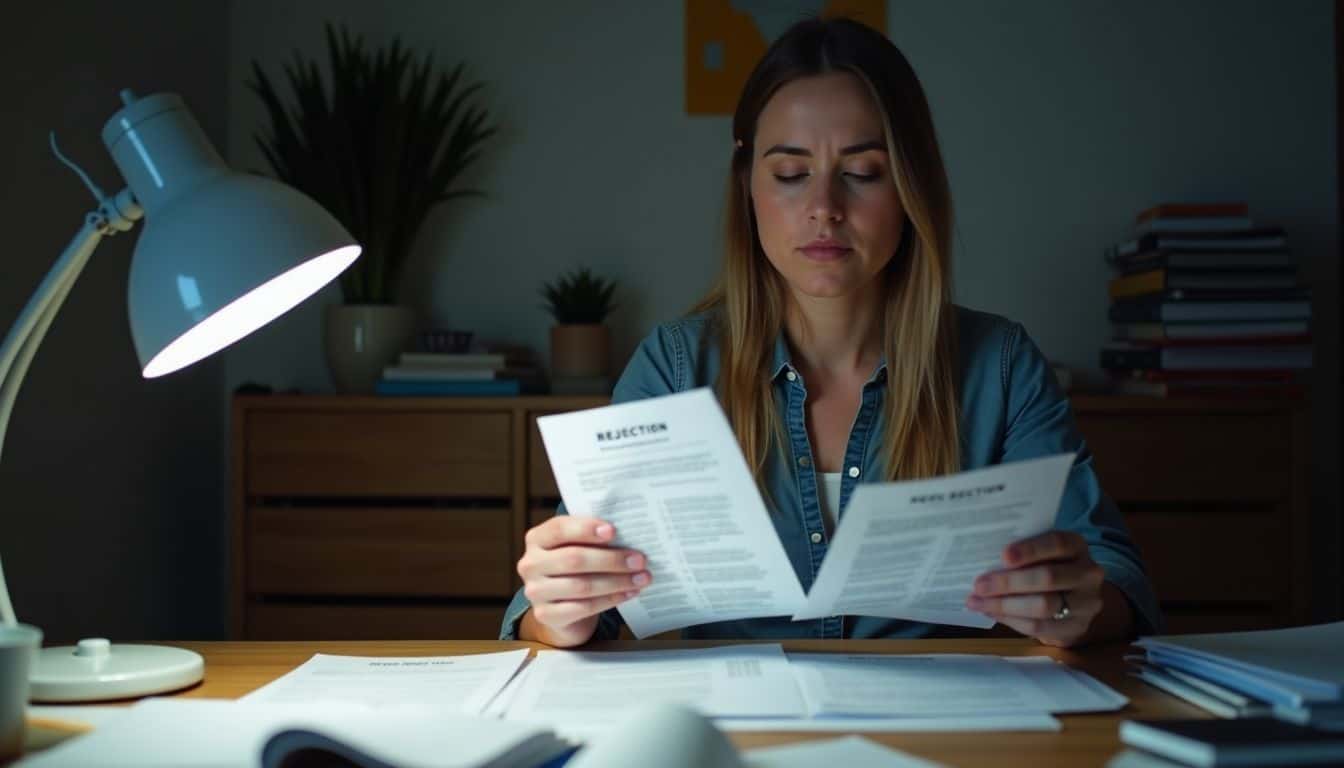
Applying for loans too often can make lenders cautious. Space out your credit applications to avoid damaging your score further.
Multiple credit applications in a short time can lower credit scores
Too many credit applications at once can harm your credit score. Lenders see this as a red flag, thinking you might be desperate for money or unable to manage finances well. This lowers trust and makes approval harder.
Space out loan applications to protect your score. Only apply if needed, not on impulse. For example, avoid testing multiple lenders in one go for online loans or micro loans. Each application triggers a hard credit check, which slightly dents the credit score every time.
Apply for new credit only when necessary and space out inquiries
Applying for new credit too often can hurt your credit score. Each application triggers a hard inquiry, which stays on your report for up to two years. Multiple checks in a short time signal risk to lenders and lower scores.
Leave enough time between applications—ideally several months. This approach builds lender trust and shows stability. Think carefully before taking on more debt while focusing on reducing existing balances first.
Using credit responsibly can rebuild trust with creditors effectively!
Using Credit Responsibly

Manage credit wisely to show financial discipline. Start small, build trust with lenders, and use tools like secured cards if needed.
A good mix of credit types showcases effective credit management
Having different types of credit shows lenders you can handle your finances well. It blends loans, like bank loans or unsecured loans, with revolving accounts, such as credit cards.
A poor credit score often lacks variety in these areas. Using a secured credit card is one way to rebuild trust if other options are limited.
This mix balances risk and helps improve a bad credit score with time. If blacklisted, adding stable forms of repayment—like monthly debit orders—can make a big difference too.
Paying attention here sets the stage for reducing debt and improving scores efficiently.
Consider using a secured credit card to rebuild credit if access is limited
A secured credit card can help rebuild a poor credit score. You pay a cash deposit upfront, which acts as your credit limit. This reduces risks for lenders and makes approval easier, even for blacklisted individuals.
Paying the balance in full each month improves payment history over time.
Using this card responsibly shows financial control. It creates better chances of qualifying for loans like unsecured loans or online loans later on. Keep usage low—below 30% of the limit—for an improved credit utilisation ratio.
Patience and Consistency

Fixing credit is not a sprint; it’s a marathon. Stay committed, keep tracking your progress, and don’t let setbacks throw you off balance!
Improving credit scores requires time and sustained effort
Boosting a poor credit score takes patience and small, consistent victories. Payment history holds significant weight—missing just one can linger for years. Paying bills on time each month builds trust with creditors over time.
Regularly clearing even small debts demonstrates reliability.
Track your progress often to stay motivated. Celebrate milestones, like lowering your debt-to-income ratio or keeping balances below 30% of the limit. If strategies fail, adjust course without delay.
Rebuilding credit isn’t instant, but steady actions will turn the tide toward financial empowerment.
Regularly track progress to stay motivated and adjust strategies as needed
Improving a poor credit score takes time, so tracking progress is key. Check your credit report monthly to spot changes or errors early. Apps like ClearScore or others in South Africa can help you monitor shifts without extra effort.
Set small goals to meet each month, like paying down a specific loan amount or keeping balances low. Adjust strategies if things stall—try negotiating with creditors for better terms or tweaking payment plans.
Progress keeps motivation high, even when the road feels long!
Debt Consolidation Loans

Debt consolidation loans can simplify your life by combining multiple debts into one monthly payment. This approach could help you manage repayments better and reduce financial stress.
A debt consolidation loan combines multiple small debts into a single payment
Combining small debts into one loan simplifies monthly repayment. Instead of juggling multiple payments, you make just one. This helps with better financial management and avoids missed deadlines.
Blacklisted individuals may find this helpful, but approval depends on credit score and affordability checks.
Lenders check your payment history and income during the loan application process. High interest rates might apply to unsecured loans for bad credit, so compare offers carefully. Next, focus on strategies to improve your chances of getting loans while blacklisted.
Loans will be granted only if credit scores and affordability meet requirements
Debt consolidation may seem like a lifeline, but lenders won’t hand out loans without careful checks. A poor credit score lowers chances of approval. Affordability matters just as much.
Lenders need proof you can meet monthly repayment amounts without overextending your finances.
High-risk applicants, like blacklisted individuals, face stricter rules. Credit checks will highlight payment history and outstanding debts. If loan terms appear unmanageable, such as high interest rates or extended timelines, applications might be rejected outright.
Financial habits play a vital role in demonstrating responsibility to potential creditors.
Conclusion
Fixing your credit takes time, grit, and clear steps. Start small by checking your credit report and tackling errors.
Pay bills on time, chip away at debt, and use credit wisely. Little actions today can lead to big wins tomorrow.
Stay patient—it’s a marathon, not a sprint!
FAQs
What does being blacklisted mean when it comes to credit and loans?
Being blacklisted means having a poor credit score or payment history that makes it difficult to get loans or access favourable loan terms. It can result from missed payments, debt review, or defaults on existing debts.
Can blacklisted individuals still apply for loans?
Yes, there are options like unsecured loans and online loans specifically designed for blacklisted individuals. However, these may come with higher interest rates and stricter loan repayment conditions.
How can I improve my credit score if I’m blacklisted?
Start by reviewing your credit report carefully to spot errors or unpaid accounts. Pay off outstanding debts through manageable monthly repayments via debit orders, as consistent payment history is key to improving your score.
Are there risks in taking out loans for people with bad credit?
There are risks such as high-interest rates and predatory lenders like loan sharks who exploit vulnerable borrowers. Stick to legal lenders registered under the National Credit Act and regulated by the National Credit Regulator.
What documents do I need when applying for a loan while blacklisted?
You’ll typically need proof of identity (like a driver’s licence), proof of income, and details about your expenses before submitting a loan application.
How do collaborative partnerships help in financial empowerment for blacklisted individuals?
Collaborative partnerships between financial institutions and organisations provide educational resources on managing finances better, avoiding debt traps, and choosing suitable types of loans based on individual needs without risking further damage to one’s financial standing.


